- English
- French
- German
- Portuguese
- Spanish
- Russian
- Japanese
- Korean
- Arabic
- Greek
- German
- Turkish
- Italian
- Danish
- Romanian
- Indonesian
- Czech
- Afrikaans
- Swedish
- Polish
- Basque
- Catalan
- Esperanto
- Hindi
- Lao
- Albanian
- Amharic
- Armenian
- Azerbaijani
- Belarusian
- Bengali
- Bosnian
- Bulgarian
- Cebuano
- Chichewa
- Corsican
- Croatian
- Dutch
- Estonian
- Filipino
- Finnish
- Frisian
- Galician
- Georgian
- Gujarati
- Haitian
- Hausa
- Hawaiian
- Hebrew
- Hmong
- Hungarian
- Icelandic
- Igbo
- Javanese
- Kannada
- Kazakh
- Khmer
- Kurdish
- Kyrgyz
- Latin
- Latvian
- Lithuanian
- Luxembou..
- Macedonian
- Malagasy
- Malay
- Malayalam
- Maltese
- Maori
- Marathi
- Mongolian
- Burmese
- Nepali
- Norwegian
- Pashto
- Persian
- Punjabi
- Serbian
- Sesotho
- Sinhala
- Slovak
- Slovenian
- Somali
- Samoan
- Scots Gaelic
- Shona
- Sindhi
- Sundanese
- Swahili
- Tajik
- Tamil
- Telugu
- Thai
- Ukrainian
- Urdu
- Uzbek
- Vietnamese
- Welsh
- Xhosa
- Yiddish
- Yoruba
- Zulu
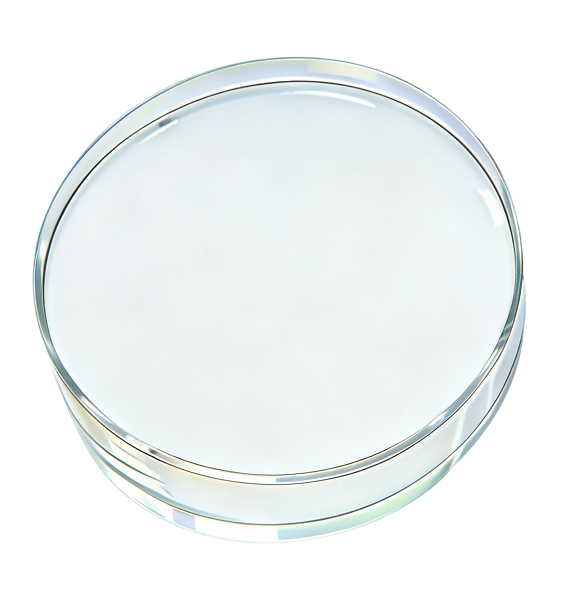
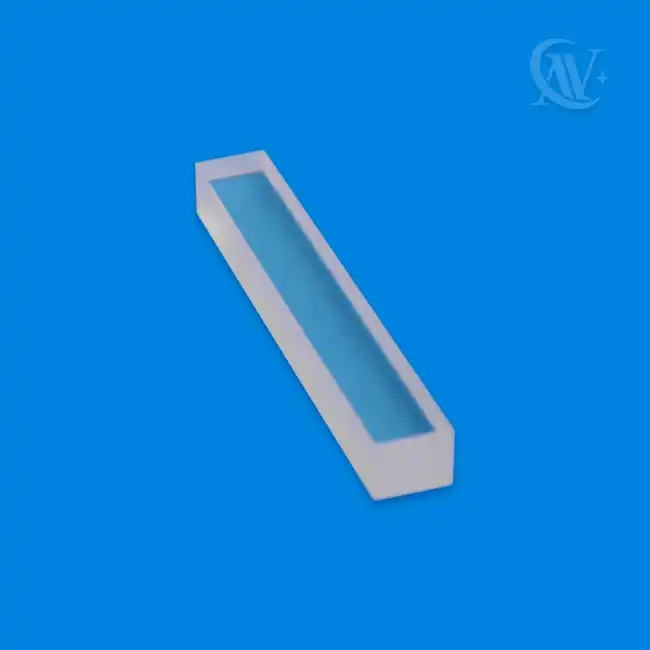
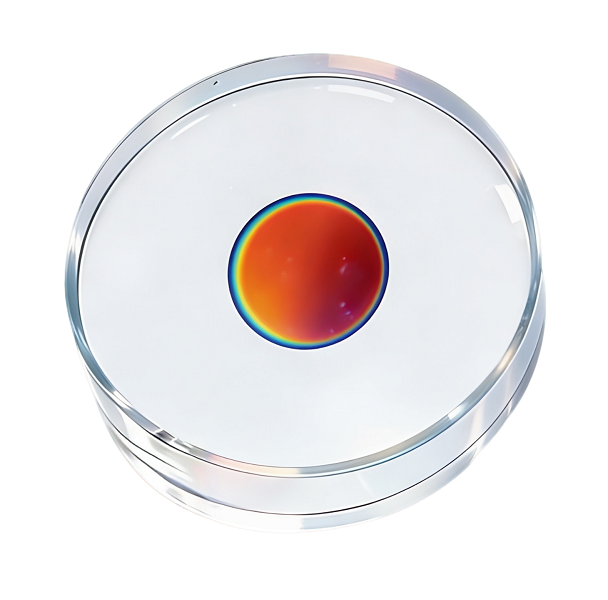
ULE Material Spherical Mirror
1)D=φ12.7-φ50.8mm(tolerance±0.1),H=4-8mm D:H>4:1(tolerance±0.5) 2)D50.8-φ100mm(tolerance±0.1),H=10-25mm D:H>4:1(tolerance±0.5)
② Kickoff size:φ7.5-45
③ Coating area size: conventional size D12.7, coating area size 7.5; D25 coating area size 10, other coating area size can be customized
④ Curvature: SR=500-8000(customize),curvature accuracy±0.05%
⑤ Surface accuracy: λ/2-λ/10@632.8nm
⑥ Spherical accuracy:30"-3′
⑦ Roughness: Ra0.12nm (Zygo profilometer) test area 173*173um full frequency measurement
⑧Coating requirement: wavelength 632nm-1550nm, reflection ≥99.999%, loss 2-6ppm, transmission 3-5ppm
Back anti-reflection;
⑦ Material:ULE, fused silica,zerodur
Note: The specific indicators are not limited to the above scope, and can be customized according to user's needs.
Application:Power laser, high power laser, high precision optical inspection
Ultra-Low Expansion (ULE) Spherical Mirrors for Precision Astronomy & Aerospace Applications
When your mission demands perfection, our ULE Material Spherical Mirror delivers unmatched thermal stability and optical precision. Designed for aerospace and astronomy applications, these mirrors maintain their shape across temperature extremes (-270°C to +400°C), ensuring distortion-free imaging in space telescopes, satellites, and high-energy laser systems. With surface accuracy up to λ/10 and customizable coatings, they’re built to thrive where traditional optics fail.
Why ULE Material Spherical Mirror?
- Zero Thermal Expansion: Keep focus sharp even during rapid temperature swings, with materials engineered to resist dimensional changes in extreme thermal environments. This stability ensures consistent performance in aerospace sensors, industrial ovens, or laser systems where heat fluctuations would otherwise distort optics.
- Space-Grade Durability: Resist radiation, micrometeoroids, and cryogenic conditions, making these components ideal for satellites, telescopes, and deep-space probes. Their rugged design withstands the harsh vacuum of space, ensuring long-term functionality in missions where repair or replacement is impossible.
- 40% Lighter: Reduce payload costs without compromising strength, a key advantage for aerospace and UAV applications. The lightweight design cuts fuel consumption and launch expenses while maintaining structural integrity, supporting longer missions with heavier scientific equipment.
- Sub-Micron Precision: Achieve <5Å RMS surface roughness for crisp imaging, critical in high-resolution microscopes, lithography tools, and space telescopes. This ultra-smooth finish minimizes light scatter, capturing fine details that would be lost with standard optical components.
- Custom Coatings: Optimize reflectivity for UV, visible, or IR wavelengths, tailoring performance to specific applications like solar imaging, night-vision systems, or thermal sensors. These coatings enhance efficiency, ensuring maximum light utilization across diverse operational spectrums.
Parameters
| Specification | Value |
|---|---|
| Dimension | 1)D=φ12.7-φ50.8mm(tolerance±0.1),H=4-8mm D:H>4:1(tolerance±0.5) 2)D50.8-φ100mm(tolerance±0.1),H=10-25mm D:H>4:1(tolerance±0.5) |
| Kickoff size | φ7.5-45mm |
| Coating area size | conventional size D12.7, coating area size 7.5; D25 coating area size 10, other coating area size can be customized |
| Curvature | SR=500-8000mm (customizable), accuracy ±0.05% |
| Surface accuracy | λ/2-λ/10@632.8nm |
| Spherical accuracy | 30"-3' |
| Roughness | Ra0.12nm (Zygo profilometer) test area 173*173um full frequency measurement |
| Coating | Reflection ≥99.999%, loss 2-6ppm, transmission 3-5ppm |
| Material | ULE, fused silica, zerodur |
| can be customized according to user needs. | |
Note: We can customize specifications to meet your unique requirements.

Where ULE Material Spherical Mirror Excel
- Space Telescopes: Primary/secondary mirrors for orbital observatories, offering long-term stability in vacuum conditions to capture distant cosmic phenomena. These mirrors resist thermal warping during extreme temperature swings, ensuring sharp imagery of galaxies and nebulae for years, critical for deep-space research missions.
- Satellite Imaging: Lightweight optics for Earth observation systems, reducing launch costs while maintaining resolution to track weather patterns, deforestation, and urban growth. Their durable design withstands orbital stress, delivering consistent, high-detail imagery that supports climate studies and disaster response.
- High-Power Lasers: Focus high-energy beams with minimal thermal drift, even at megawatt intensities, ensuring precise targeting in defense and industrial cutting. Advanced materials resist heat-induced distortion, maintaining beam integrity for applications like missile defense or heavy machinery manufacturing.
- Planetary Rovers: Survive Martian dust storms and lunar nights with radiation-hardened coatings that protect optics from abrasive particles and extreme cold. These components ensure rovers capture clear surface images and data, supporting geological research in harsh extraterrestrial environments.
- Next-Gen Astronomy: Custom off-axis designs for segmented mirrors in 30m+ telescopes, enabling unprecedented light-gathering power to study exoplanets and black holes. These precision-engineered segments work in harmony, delivering ultra-sharp imagery that pushes the boundaries of astronomical discovery.
Why Partner With Us?
- Proven Expertise: 20+ years serving NASA, ESA, and leading aerospace contractors.
- Stress-Free Mounts: Proprietary designs prevent deformation during launch vibrations.
- Full Traceability: Every mirror includes NIST-calibrated test reports.
- Fast Turnaround: Prototypes ready in 8-12 weeks.
Trusted By Global Innovators
“Our cryo-vacuum tests showed 99.8% wavefront accuracy with these ULE Material Spherical Mirror – a game-changer for deep-space imaging.”– Lead Engineer
Global Logistics Made Simple
- ITAR/EAR Compliance: Seamless exports for defense projects.
- IoT-Enabled Shipping: Track temperature/humidity in real time.
- Bulk Discounts: Save on orders of 100+ units.

FAQ
1. How does ULE Material Spherical Mirror handle space radiation?
All coatings are tested to 100 krad TID (MIL-STD-883), ensuring no performance drop in GEO missions.
2. What’s the minimum order quantity?
We accept single-unit prototype orders, with volume pricing for 10+ mirrors.
3. Can you match JWST-level cryogenic specs?
Yes! Our mirrors operate flawlessly at -270°C, validated via NASA-style thermal cycling.
4. Do you support segmented mirror designs?
Absolutely. We’ve delivered 150+ off-axis segments for ELT projects.
Ready to Elevate Your Optics?
Request a Custom Quote about ULE Material Spherical Mirror– Share your diameter, coating, and application needs.


Learn about our latest products and discounts through SMS or email